Untitled 1q1

Waterfall Methodology + Microsoft Project Planner / Primavera 6
Categories: Project Management
Wishlist Share

About Course

Plan Once. Execute with Precision. Deliver with Confidence.”

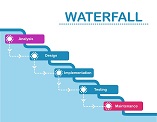
This course provides participants with a comprehensive understanding of the Waterfall Project Management Methodology and its practical implementation using Microsoft Project Planner and Oracle Primavera P6. Participants will learn how to plan, schedule, monitor, and control projects using a structured, phase-by-phase approach while leveraging industry-leading project management software.

The training is ideal for organizations managing engineering, construction, oil & gas, manufacturing, infrastructure, IT implementation, and capital projects where project requirements are well-defined and sequential execution is essential.

This course combines the predictability of the Waterfall Methodology with the robust scheduling and control capabilities of Microsoft Project Planner and Primavera P6, equipping participants to manage complex projects with confidence and precision.

Course Objectives

By the end of the training, participants will be able to:

  • Understand the principles and lifecycle of the Waterfall Methodology.
  • Develop comprehensive project plans from initiation to closure.
  • Create Work Breakdown Structures (WBS).
  • Develop project schedules using Microsoft Project Planner and Primavera P6.
  • Define project activities, milestones, and deliverables.
  • Allocate resources and manage project costs.
  • Identify and manage project risks.
  • Establish project baselines.
  • Monitor project progress using Earned Value Management (EVM).
  • Perform schedule updates and variance analysis.
  • Generate professional project reports and dashboards.
  • Successfully manage large-scale engineering and construction projects using structured project management techniques.

Course Benefits

Participants will gain the ability to:

  • Understand the principles and lifecycle of the Waterfall Methodology.
  • Develop comprehensive project plans from initiation to closure.
  • Create Work Breakdown Structures (WBS).
  • Develop project schedules using Microsoft Project Planner and Primavera P6.
  • Define project activities, milestones, and deliverables.
  • Allocate resources and manage project costs.
  • Identify and manage project risks.
  • Establish project baselines.
  • Monitor project progress using Earned Value Management (EVM).
  • Perform schedule updates and variance analysis.
  • Generate professional project reports and dashboards.
  • Successfully manage large-scale engineering and construction projects using structured project management techniques.
Show More

What Will You Learn?

  • Module 1: Introduction to Waterfall Methodology
  • • Fundamentals of Project Management
  • • What is Waterfall Methodology?
  • • Characteristics of Waterfall Projects
  • • Waterfall vs Agile vs Scrum vs PRINCE2
  • • Benefits and Limitations
  • • Suitable Industries and Projects
  • Module 2: Project Life Cycle
  • • Project Initiation
  • • Requirements Gathering
  • • Planning Phase
  • • Design Phase
  • • Development/Execution
  • • Testing and Quality Assurance
  • • Deployment
  • • Project Closure
  • Module 3: Project Scope Management
  • • Project Charter
  • • Scope Statement
  • • Work Breakdown Structure (WBS)
  • • Deliverables Identification
  • • Scope Verification
  • • Scope Control
  • Module 4: Scheduling with Microsoft Project Planner
  • • Project Calendar Setup
  • • Creating WBS
  • • Activity Definition
  • • Duration Estimation
  • • Task Relationships
  • • Critical Path Method (CPM)
  • • Milestones
  • • Constraints
  • • Baseline Creation
  • • Progress Tracking
  • Module 5: Scheduling with Primavera P6
  • • Enterprise Project Structure (EPS)
  • • Organizational Breakdown Structure (OBS)
  • • Creating Projects
  • • WBS Development
  • • Activity Coding
  • • Calendars
  • • Logic Relationships
  • • Critical Path Analysis
  • • Baselines
  • • Schedule Updating
  • • Performance Measurement
  • Module 6: Resource Planning
  • • Human Resources
  • • Equipment Allocation
  • • Material Planning
  • • Resource Calendars
  • • Resource Histograms
  • • Resource Leveling
  • • Productivity Analysis
  • Module 7: Cost Management
  • • Cost Estimation
  • • Budget Development
  • • Cost Loading
  • • Cash Flow Analysis
  • • Cost Baselines
  • • Budget Tracking
  • • Cost Variance Analysis
  • Module 8: Risk Management
  • • Risk Identification
  • • Risk Assessment
  • • Risk Matrix
  • • Mitigation Planning
  • • Contingency Planning
  • • Risk Monitoring
  • Module 9: Monitoring and Controlling
  • • Progress Measurement
  • • Schedule Performance
  • • Cost Performance
  • • Earned Value Management (EVM)
  • • Variance Analysis
  • • Corrective Actions
  • • Change Control
  • Module 10: Reporting and Dashboards
  • • Gantt Charts
  • • Network Diagrams
  • • Resource Reports
  • • Cost Reports
  • • S-Curves
  • • Progress Dashboards
  • • Executive Reports
  • • KPI Monitoring
  • Module 11: Project Closeout
  • • Final Deliverables
  • • Lessons Learned
  • • Project Documentation
  • • Client Acceptance
  • • Final Reporting
  • • Project Handover
  • Practical Hands-on Exercises
  • Participants will complete practical sessions covering:
  • • Building a complete project schedule in Microsoft Project Planner.
  • • Creating a project schedule in Primavera P6.
  • • Developing a Work Breakdown Structure (WBS).
  • • Defining dependencies and critical paths.
  • • Resource loading and leveling.
  • • Budget and cost tracking.
  • • Baseline creation and schedule comparison.
  • • Progress updating and forecasting.
  • • Earned Value Management calculations.
  • • Dashboard and report generation.